观察|人形机器人切入微创手术赛道(Nature 2026)
文献:In vivo feasibility study of humanoid robots in surgeryNature,2026.07.08DOI:10.1038/s41586-026-10796-x研究团队:UCSD(梁泽楷 一作)|宇树 Unitree G1
原文Abstract核心结论
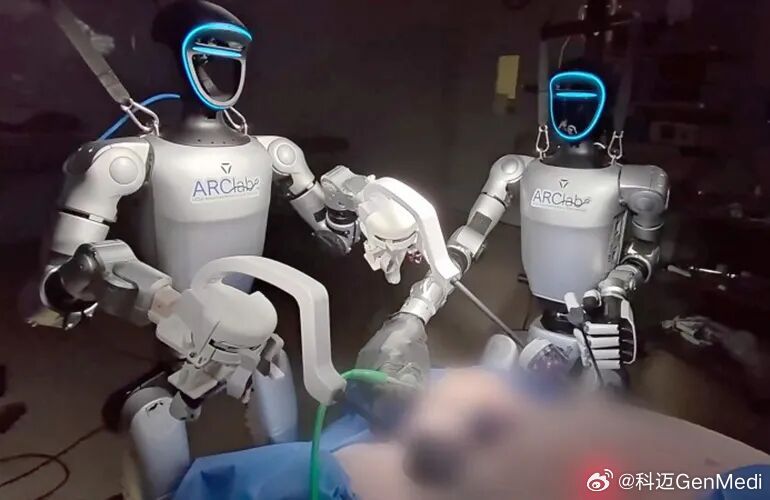
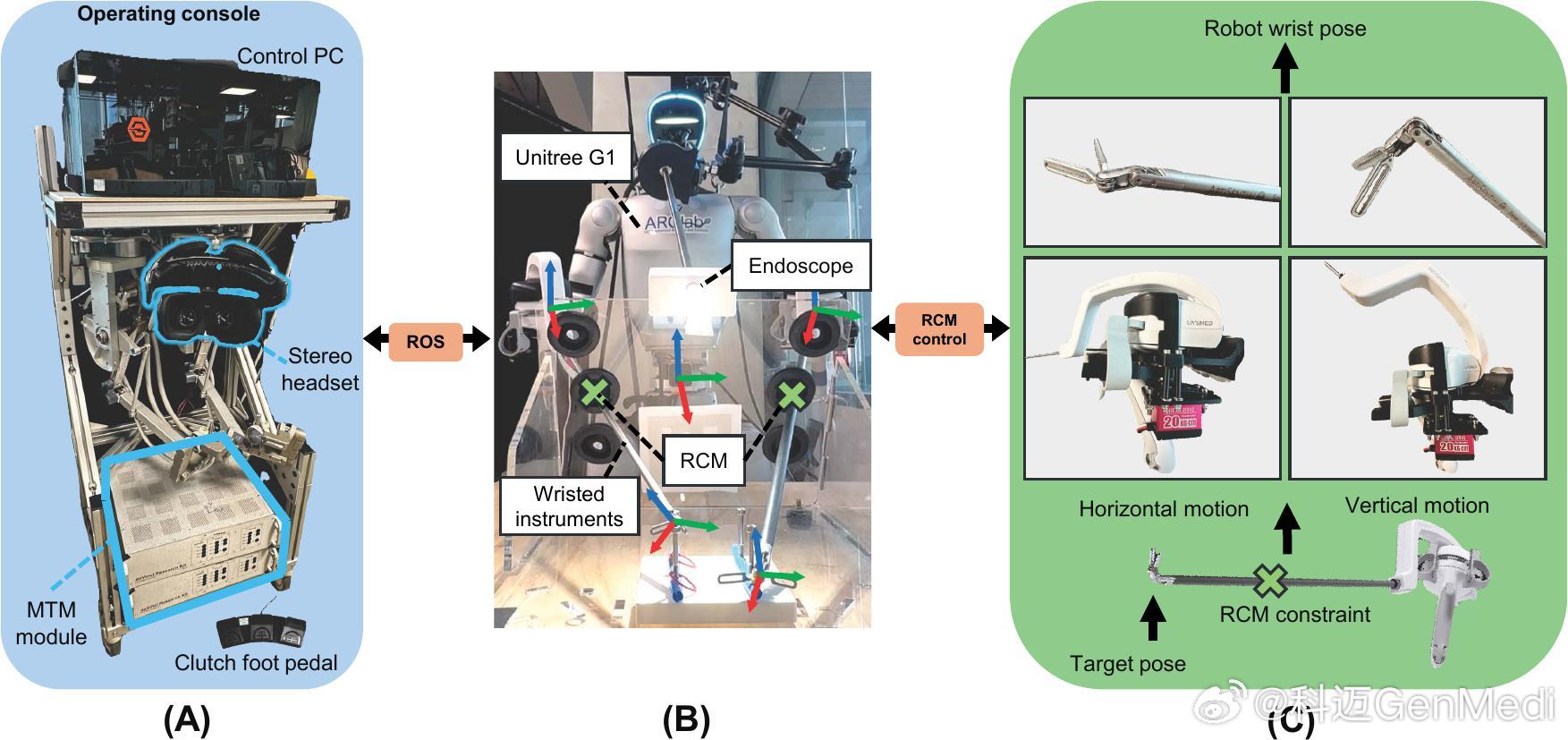
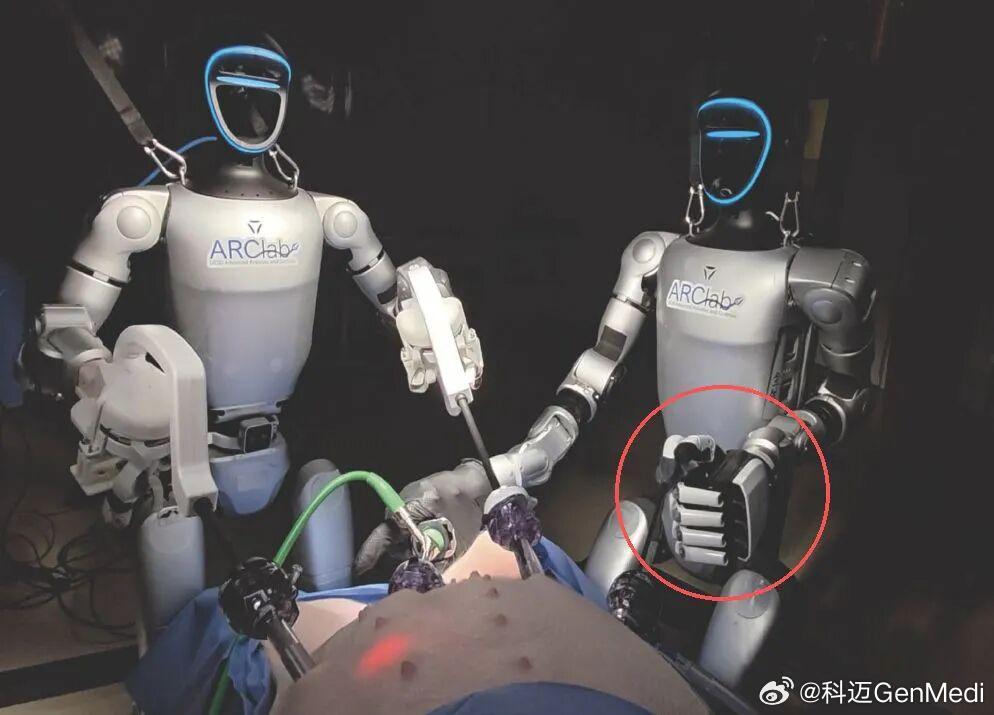
Current surgical robotic systems rely entirely on customized, high-cost platforms such as the da Vinci system. It remains unclear whether general-purpose humanoid robots can meet the precision, safety, and control requirements of minimally invasive surgery. This study establishes a teleoperation framework based on a consumer-grade humanoid robot, completes systematic bench tests, dry-lab validation and in vivo porcine laparoscopic surgery trials, and quantifies the technical feasibility, performance gaps, and clinical limitations of humanoid surgical operation.
核心产业结论
1、现有手术机器人赛道为“专用封闭路线”全球临床体系高度依赖达芬奇等千万级定制设备,成本高、场景单一、手术室适配门槛极高,基层与野战医疗难以普及。
2、本次Nature实验验证全新路线量产通用人形机器人(宇树G1)经小幅改造后,可适配标准化腹腔镜器械,在活体动物中完整完成胆囊切除微创流程,无需定制专属手术机械臂。首次实证:通用人形硬件具备外科手术落地底层潜力。
3、关键约束(产业必须正视)
• 全程医生遥操作,无自主AI手术能力
• 仅猪体动物实验,未进入人体临床
• 操作效率、稳定性、术中应急、无菌体系距离临床标准仍有明显差距
• 属于可行性验证,非成熟医疗设备产品
产业启示
传统手术机器人是「专科医疗器械逻辑」人形机器人是「通用智能硬件复用逻辑」
长期产业想象空间极大:一台通用人形设备可覆盖手术辅助、病房护理、院内转运多场景,大幅摊薄医院设备采购成本。
短期判断:完全不构成对达芬奇体系的颠覆,仍处于早期技术论证阶段,临床、法规、工程稳定性均存在长周期迭代空间。
人形机器人 宇树G1 手术机器人 Nature论文 医疗机器人 产业前沿 深圳·安吉尔大厦