我们一贯主张国家无论大小一律平等。这就是我们在全世界坚持的和平共处五项原则的基础。为什么我们实行不结盟的政策并坚持这种政策下行为行事呢?抛开我们的和平底色不说,最重要的是我们已经看清楚了结盟或者同盟的真正含义是什么了。

因为我们从自身的历史和横向的国际关系得出的一个不容置喙结论,结盟的关系实质是一种利益在作祟而已。只要利益表达出来,或者利益具备了,敌人也有可能会和自己结盟。利益有多大,盟友就会有多少,所以如果自己不能给出太多的利益的时候,结盟只能给自己带来沉重的负担,且他人、他国也不见得能够喜欢,这是我们所不愿看到的。一句话,结盟只不过一种巨大的消耗而已,就像如今的美国一样,貌似领导着欧盟,领导着北约,但是俄罗斯、美国在相互对耗的过程当中,美国正在不断被消耗。欧盟和北约也在一定程度上反噬着美国。

其实结盟还有一个无法言说的痛楚,以我们自己为例,曾经的无私援助过一些国家、换来的不是感恩戴德,而是各种白眼狼的反噬行为,在这方面我们有过痛苦的经历的,不仅仅是寒心二字那么简单的。前车之鉴,并不遥远,越南和阿尔巴尼亚这些并不遥远的例子就是明证,越南和阿尔巴尼亚都接受过我们的巨额援助,最后都反目成仇了,这两个国家就是典型的白眼狼。当然,我们一定要弄懂看透结盟的本质是什么,抱团取暖也好,互相照应也罢,但归根结底结盟的本质就是乱操乱交的关系,谁把谁弄舒服了,谁就跟谁好上了。搞结盟或同盟,就得要付出甚至是出血,就是这么回事儿。
(以下是英文版The next is English edition)

"Global Refuel Station" Episode 18: Why Do We Not Engage in Alliance Relations in International Affairs?
(Saturday Evening, January 3, 2026)
We have always maintained that all nations, regardless of size, are equal. This is the foundation of the Five Principles of Peaceful Coexistence that we uphold worldwide. Why do we implement a non-aligned policy and adhere to its principles in our actions? Setting aside our inherent commitment to peace, the most crucial reason is that we have clearly discerned the true meaning of alliances or partnerships.

Based on our own history and a comparative analysis of international relations, we have drawn an irrefutable conclusion: alliances are fundamentally driven by interests. When interests are articulated or realized, even adversaries may become allies. The greater the interests, the more allies one gains. However, when one cannot offer substantial benefits, alliances become a heavy burden and may not be welcomed by others or other nations—a scenario we wish to avoid. In essence, alliances represent a significant drain, much like the current situation of the United States. While the U.S. appears to lead the European Union and NATO, it is being continuously depleted in the ongoing mutual attrition with Russia. The EU and NATO, to some extent, are also undermining the United States.
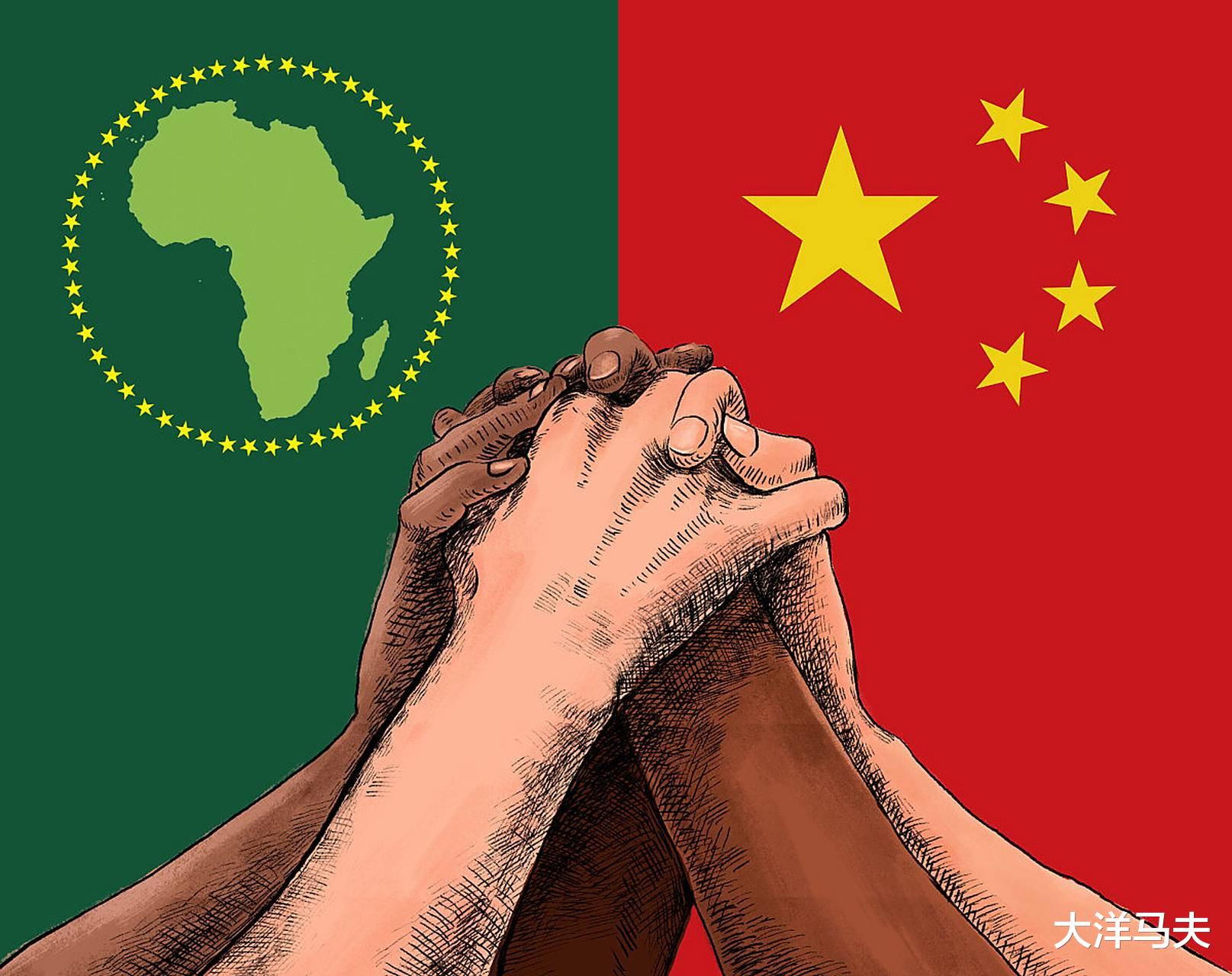
There is another unspoken hardship associated with alliances. Taking our own experience as an example, we have selflessly provided aid to certain countries in the past, only to be met with ingratitude and betrayal. This goes beyond mere disappointment; it has been a painful lesson. Recent examples, such as Vietnam and Albania, serve as clear reminders. Both countries received substantial aid from us but ultimately turned against us, embodying the archetype of ungrateful beneficiaries. Of course, we must thoroughly understand the essence of alliances. Whether for mutual support or collective security, alliances ultimately resemble a chaotic entanglement of interests. Whoever satisfies another’s interests forms a bond with them. Engaging in alliances or partnerships requires付出, even to the point of sacrifice—that is the reality.